


Mediterranean Diet Beginner
2.85.00 Reviews
App Specs
- Version
- 2.6.5.1
- Updated On
- License
- Free
- Downloads
- 10,000+
- Developer
- Kevin Ton
- Categories
- Food & Drink
- Platform
- Android
Screenshots
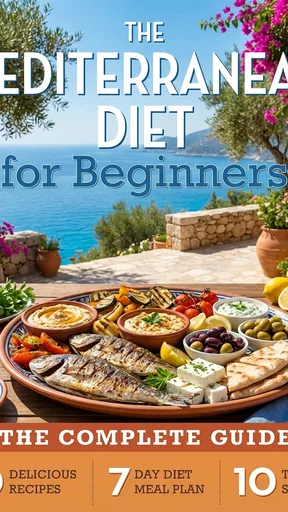
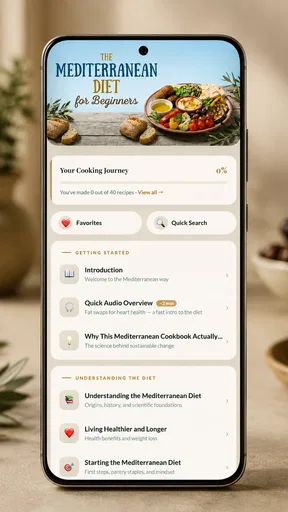
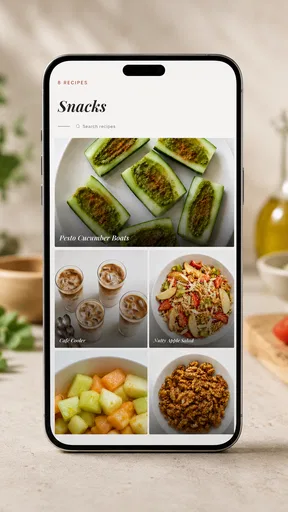
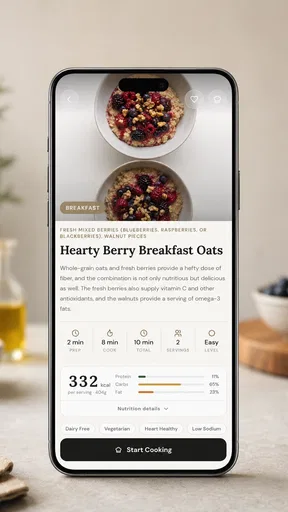
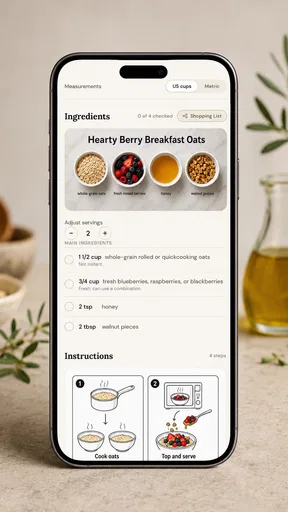
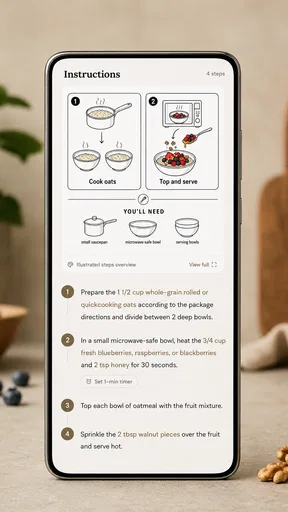
 Analysis by AppCompare
I approached Mediterranean Diet Beginner as a practical food and drink app rather than a complete health program. Its purpose is easy to understand: help someone move toward Mediterranean-style eating through recipes and guidance, with weight management and healthier habits as the broader goals. After using it, I think its value depends less on whether you already like Mediterranean food and more on how much structure you need when planning meals.
The app is free to install, which makes it simple to test without committing money at the start. It is published by Kevin Ton and is suitable for Everyone, so it is presented as an approachable option for a broad audience. The current version is 2.6.5.1, and it runs on Android 7.0 or later. Those details matter if you are using an older phone or deciding whether this is a realistic option for a family member who does not have a recent device.
My overall impression is mixed but useful. The app can give a beginner a clearer direction than randomly searching for healthy recipes, yet it should not be treated as personalized medical or nutritional advice. I would recommend trying it if you want a simple starting point and are willing to make your own decisions about portions, allergies, budget, and dietary needs. I would look elsewhere if you expect detailed tracking, highly tailored meal plans, or a polished coaching experience.
What to consider before choosing this app
Before downloading any diet app, I think it helps to decide what problem you are actually trying to solve. If your problem is “I do not know what to cook tonight,” a recipe-focused guide may be enough. If your problem is “I need to monitor nutrients, plan around a medical condition, or coordinate meals for several people,” a recipe guide alone will probably feel limited.
That distinction is especially important here. Mediterranean-style eating is not one fixed menu or a short challenge. It is a pattern built around foods such as vegetables, legumes, fruit, grains, fish, olive oil, and other minimally processed choices, while leaving room for personal preferences. An app can suggest ideas, but it cannot automatically know whether a dish fits your allergies, culture, cooking equipment, schedule, or household budget.
I also paid attention to how much effort the app demands from the user. A useful beginner tool should reduce decision fatigue, not create another complicated routine. The strongest reason to try this one is that it gives the subject a dedicated place on your phone. Instead of collecting disconnected recipes from search results, you can use the app as a prompt to think in terms of ingredients and habits.
There is a practical trade-off, though. A dedicated diet app can make a lifestyle feel more manageable, but it can also make users expect the software to do all the planning. I found it more helpful when treated as a reference for choosing meals, not as an authority that decides every meal for me.
Worth Reading Before You Choose

Flipboard Shows What News Apps Must Do Beyond the Feed

Switching to Android Auto Means Rethinking Your Driving Routine

Google Calendar Makes a Crowded Week Easier to Manage

Ludo King Makes the Most of the Minutes Between Plans

Baby Panda World Brings Quick Play to Modern Phones, but Its Game Library Feels Busy

ESPN’s Live Game View Makes Following Close Games Easier
How I would use it during an ordinary week
Imagine arriving home after work with little energy and no plan for dinner. Rather than opening a general recipe website and filtering through unrelated dishes, I would open this app and look for a meal that matches what is already in the kitchen. If I have beans, tomatoes, onions, grains, or vegetables available, the Mediterranean focus gives me a useful direction instead of leaving me with an empty search box.
The important step is to turn the suggestion into a realistic meal. I would check the ingredients before starting, substitute only when the replacement makes sense, and prepare enough for a second serving if that saves time the next day. This is where the app can become more valuable than a one-time recipe search: it can support a repeatable habit of choosing meals around familiar, flexible ingredients.
I would not use it by trying to change everything overnight. A more sustainable approach would be to use one recipe or idea for a few dinners, notice which ingredients are convenient, and then build a small personal rotation. That approach also exposes a limitation: the app may inspire the change, but the actual organization still happens in your kitchen, shopping list, and calendar.
Where the app is most useful
The clearest strength is focus. Many recipe apps cover every cuisine and every eating style, which is useful when you want variety but less useful when you are specifically trying to understand Mediterranean eating. Here, the subject itself narrows the search and gives beginners a consistent theme to follow.
I also like the combination of recipes and guidance in the app’s concept. A collection of dishes can show you what to cook, while explanatory material can help you understand why certain ingredients appear repeatedly. That context matters for beginners who might otherwise think the diet is simply a list of recipes with olive oil added to them.
The best use of this app is as a decision shortcut, not a complete nutrition dashboard. It can help answer “What kind of meal fits the direction I want to take?” more effectively than a general cooking app. It is less suited to answering detailed questions about daily nutrient targets, clinical diets, or precise weight-loss planning.
Another useful angle is gradual adoption. Someone who is used to takeaway meals or heavily processed convenience food may benefit from seeing approachable dishes before worrying about perfection. I would use the app to identify a few meals that feel familiar enough to repeat, then expand slowly. That is more realistic than choosing an ambitious plan that collapses after a busy week.
Three practical habits that improve the experience
First, I would review recipes before shopping rather than waiting until I am hungry. This lets me group ingredients and avoid buying items that will be used only once. It also reveals whether the app’s suggestions fit the way I normally shop. If several recipes depend on ingredients I rarely use, I would select the ones with overlapping basics and adapt my week around them.
Second, I would treat substitutions as a skill rather than a reason to abandon a recipe. If a recipe includes an ingredient I cannot eat, I would check whether the replacement changes the dish’s texture, cooking time, or overall balance. Replacing one vegetable is usually easier than replacing a central protein or a key sauce, so I would be cautious about making major changes without understanding the recipe.
Third, I would separate “healthy direction” from “unlimited portions.” Mediterranean-style ingredients can still contribute substantial calories depending on preparation and serving size. I would pay attention to oil, nuts, cheese, bread, and large portions, especially if weight management is one of my goals. The app’s focus can guide food choices, but it should not encourage the assumption that every amount is automatically appropriate.
Where it may fall short for experienced users
If you already cook Mediterranean meals regularly, the beginner positioning may feel too basic. Experienced home cooks may want more regional depth, advanced techniques, ingredient substitutions, or a stronger system for organizing a long-term menu. In that situation, a specialized cookbook or a broad recipe platform may offer more variety and control.
The same applies to people who want measurable progress. I would not choose this app as my only tool if I needed detailed calorie logging, nutrient analysis, exercise integration, or a record of changing body measurements. Those functions belong to a different category of health and food apps. A recipe guide can complement them, but it does not replace them.
People with allergies, diabetes, kidney disease, eating disorders, or other medical concerns should be especially careful. A general food app cannot replace advice from a qualified professional who understands the user’s health history. Even when a recipe looks wholesome, ingredients and portions may need individual adjustment.
Families may also find the beginner focus uneven. One person can use the app successfully, but feeding several people introduces questions about picky eaters, serving sizes, leftovers, and cost. I would use the app for inspiration while keeping a separate household plan that includes familiar backup meals. That prevents the app from turning dinner into a daily negotiation.
How it compares with the usual alternatives
The closest alternative is a general recipe app. Those services usually make more sense when you want broad cuisine coverage, powerful search, or a large range of cooking styles. Mediterranean Diet Beginner has the advantage of a narrower purpose: it can keep your attention on one eating pattern instead of making you scroll through thousands of unrelated choices.
A general recipe service may still be better for cooks with unusual dietary restrictions or very specific ingredient needs. Its wider search tools can make it easier to find gluten-free, vegetarian, low-cost, or quick recipes, depending on the service. With this app, I would expect to do more of the filtering mentally and verify each recipe against my own requirements.
Another alternative is a calorie or macro tracker. That category is stronger when your main goal is numerical control. It can help you record food and compare intake with a target, while this app is more about the type of food and the habit of preparing it. I see them as complementary rather than direct substitutes: one can help measure, while the other can help decide what to cook.
Meal-planning services are another option. They can be preferable if you want an organized schedule, consolidated shopping, and a clear sequence of meals. The trade-off is that structured plans can feel restrictive when your work hours, family preferences, or available ingredients change. This app is more appealing if you want guidance without handing over every meal decision.
Finally, there is the traditional cookbook or advice from a registered dietitian. A cookbook may provide deeper culinary detail, while a dietitian can account for personal health needs. The app is more convenient for quick reference and beginner motivation, but convenience should not be confused with individual expertise. I would choose the professional route when health conditions or a complicated goal are involved.
What the public response suggests
The app has passed ten thousand installs, so it has reached more than a tiny group of users. At the same time, its average rating is 2.8 from ten ratings, with five written reviews. I would interpret that cautiously: the sample is small, but the score does not support assuming that every user will find the experience smooth.
For me, that means the download is worth considering because the app is free, but I would keep expectations measured. I would test it with a specific goal, such as finding several suitable dinner ideas, rather than expecting a complete transformation. If the navigation or guidance does not fit my routine quickly, I would move on instead of forcing it into my daily life.
The free entry point lowers the cost of that experiment. However, in-app purchases are listed at $9.99 per item, so I would pay attention before unlocking anything. The sensible approach is to establish what the free experience already offers and decide whether an additional purchase solves a real problem for you. I would not pay simply because the app uses the language of weight loss or healthier living.
The real cost of switching to this approach
The biggest cost is not the download. It is the change in routine. You may need to buy different staples, learn unfamiliar combinations, wash and prepare more produce, and plan before you are hungry. If you normally rely on ready-made meals, the transition can feel demanding even when the recipes themselves are simple.
I would reduce that friction by starting with one meal a day or a few meals each week. Keep familiar breakfasts and lunches at first, then replace dinners that are easiest to adapt. This creates a fair test of the app without making the entire household dependent on a new system immediately.
There can also be a financial trade-off. Fresh produce, fish, nuts, and quality olive oil may cost more in some locations, while beans, lentils, grains, seasonal vegetables, and leftovers can make the pattern more affordable. I would compare recipes by ingredient overlap instead of assuming that every Mediterranean-style meal has the same price.
Time is another hidden factor. A recipe that looks manageable on a quiet weekend may be inconvenient on a late work night. I would identify which suggestions can be prepared in advance and which require cooking from scratch at the last minute. That small distinction can determine whether the app becomes a dependable tool or an abandoned download.
Because the app is free to install and rated for Everyone, it is easy to share the idea with other members of a household. Still, I would avoid presenting it to children as a weight-loss tool. For younger users, the healthier message is learning about varied foods and enjoyable meals, with adults responsible for making sure nutrition remains appropriate.
My recommendation for different kinds of users
I recommend trying Mediterranean Diet Beginner if you are new to the eating pattern, enjoy learning through recipes, and want a focused starting point without paying at the door. It is particularly suitable for someone who needs meal inspiration more than detailed tracking. The Android compatibility also makes it accessible to people using older devices rather than requiring a recent phone.
I would recommend it with reservations for someone whose main goal is weight loss. It may help create better meal ideas, but weight change depends on portions, total intake, activity, sleep, medical factors, and consistency. I would pair the app with a reliable way to monitor progress and avoid treating its suggestions as a guaranteed result.
I would skip it as a primary solution if you need clinical nutrition support, exact macro targets, extensive dietary filters, or a fully automated weekly plan. In those cases, a dietitian, a more specialized tracker, or a meal-planning service is likely to be a better fit. The app can still provide recipe inspiration, but it should not carry responsibilities it was not designed to handle.
My final view is that this is a low-risk starting point with a narrow but understandable purpose. The free installation makes experimentation reasonable, while the modest public rating tells me to judge the experience personally rather than rely on enthusiasm. I would use it as a first step: choose a few realistic recipes, build a repeatable shopping routine, and keep independent judgment about portions and suitability.
If you want a focused introduction to Mediterranean-style cooking, it is worth a trial; if you want a complete health-management system, choose a different tool. That distinction is the key to getting value from the app. It can make the first decisions easier, but the lasting results will come from how well its ideas fit your kitchen, schedule, budget, and personal needs.
Pros
- Simple meal ideas make healthy eating easier for beginners.
- Includes Mediterranean staples such as vegetables
- legumes
- fish
- and olive oil.
- Helpful guidance for building balanced weekly eating habits.
- Recipes generally use accessible
- minimally processed ingredients.
- Suitable for users seeking a heart-friendly and plant-focused eating style.
Cons
- Some recipes may require ingredients that are costly in certain regions.
- Limited options may be available for strict vegan or allergy-free diets.
- Portion guidance may not suit every calorie or fitness goal.
- Beginners may need extra planning for shopping and meal preparation.
- Nutrition information may not be detailed enough for medical diets.
FAQs for Mediterranean Diet Beginner
What is Mediterranean Diet Beginner?
Mediterranean Diet Beginner is an introductory app designed to help users understand and follow the basic principles of the Mediterranean diet. It typically presents meal ideas, food guidance, recipes, and practical suggestions based on vegetables, fruits, legumes, whole grains, fish, olive oil, and moderate portions. It is aimed at beginners rather than experienced users seeking highly specialized nutrition planning.
Can Mediterranean Diet Beginner create a personalized meal plan?
The app may provide structured meal suggestions or beginner-friendly plans, but users should check the available features on their device because personalization can vary by version. It may not fully account for allergies, medical conditions, calorie targets, pregnancy, or athletic requirements. Anyone with specific nutritional needs should treat the app as general guidance and consult a qualified dietitian before following a strict plan.
Is Mediterranean Diet Beginner suitable for weight loss?
The Mediterranean diet can support healthy weight management when meals are balanced and portions are appropriate, and the app can make those principles easier to understand. However, downloading the app does not guarantee weight loss. Results depend on overall calorie intake, food choices, activity, sleep, and consistency. The app should be used as an educational tool rather than a promise of rapid or guaranteed results.
Does the app include recipes and a shopping list?
Mediterranean Diet Beginner may include recipes, ingredient suggestions, or shopping guidance intended to simplify the transition to this eating style. Before downloading, users should review the app listing to confirm which tools are included, since some versions may offer only educational content while others provide more complete planning features. Also check whether recipes suit your budget, cooking skills, and local ingredient availability.
Is Mediterranean Diet Beginner free to download and use?
The app’s download price and available features depend on its current Android or iOS listing. Some content may be free, while advanced meal plans, recipes, tracking tools, or an ad-free experience could require in-app purchases or a subscription. Review the store description, payment terms, renewal conditions, and privacy information before starting a trial or entering payment details.


